TEAL WALLET · TW · Web Whitepaper
Product Account
Network
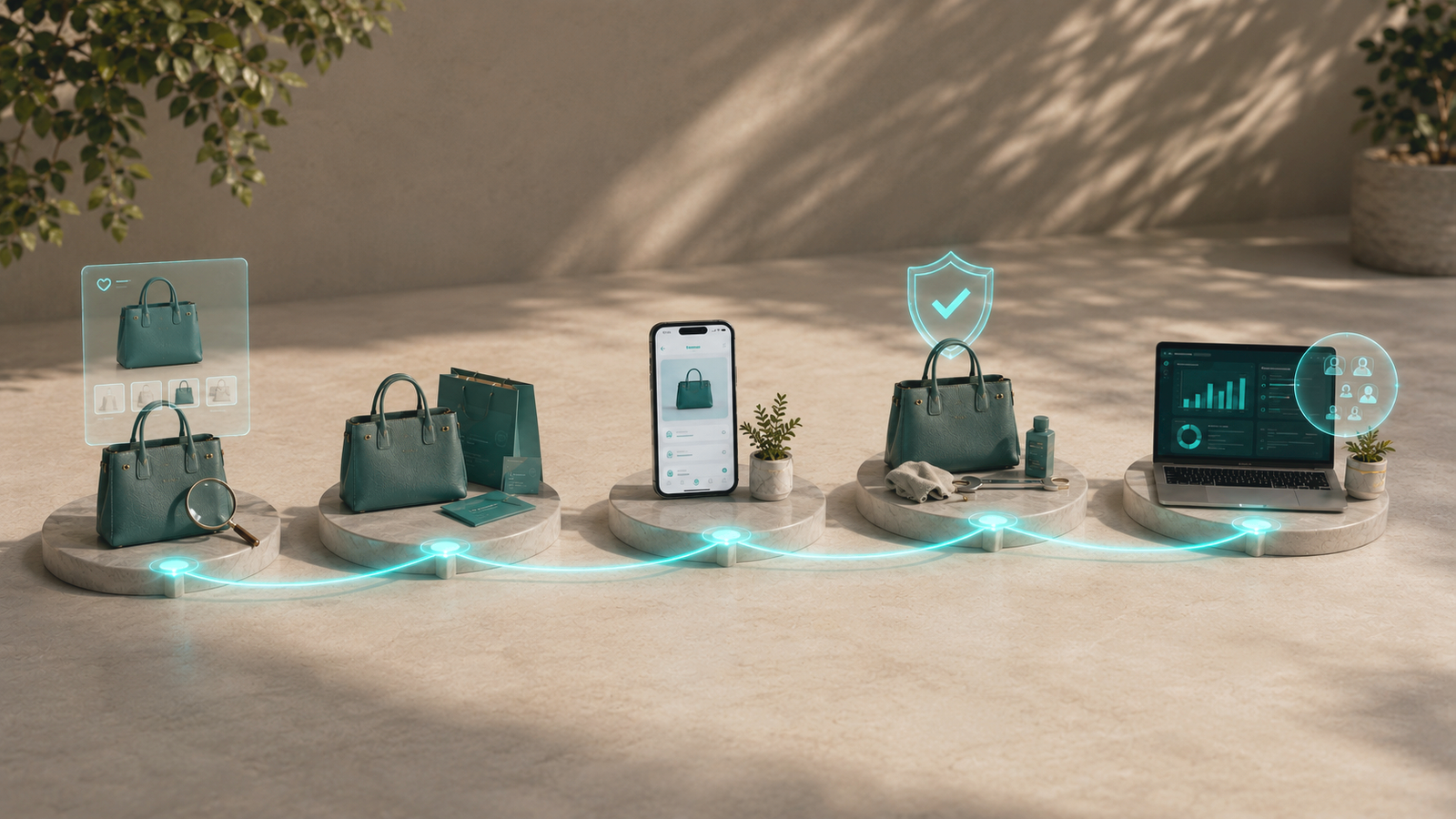
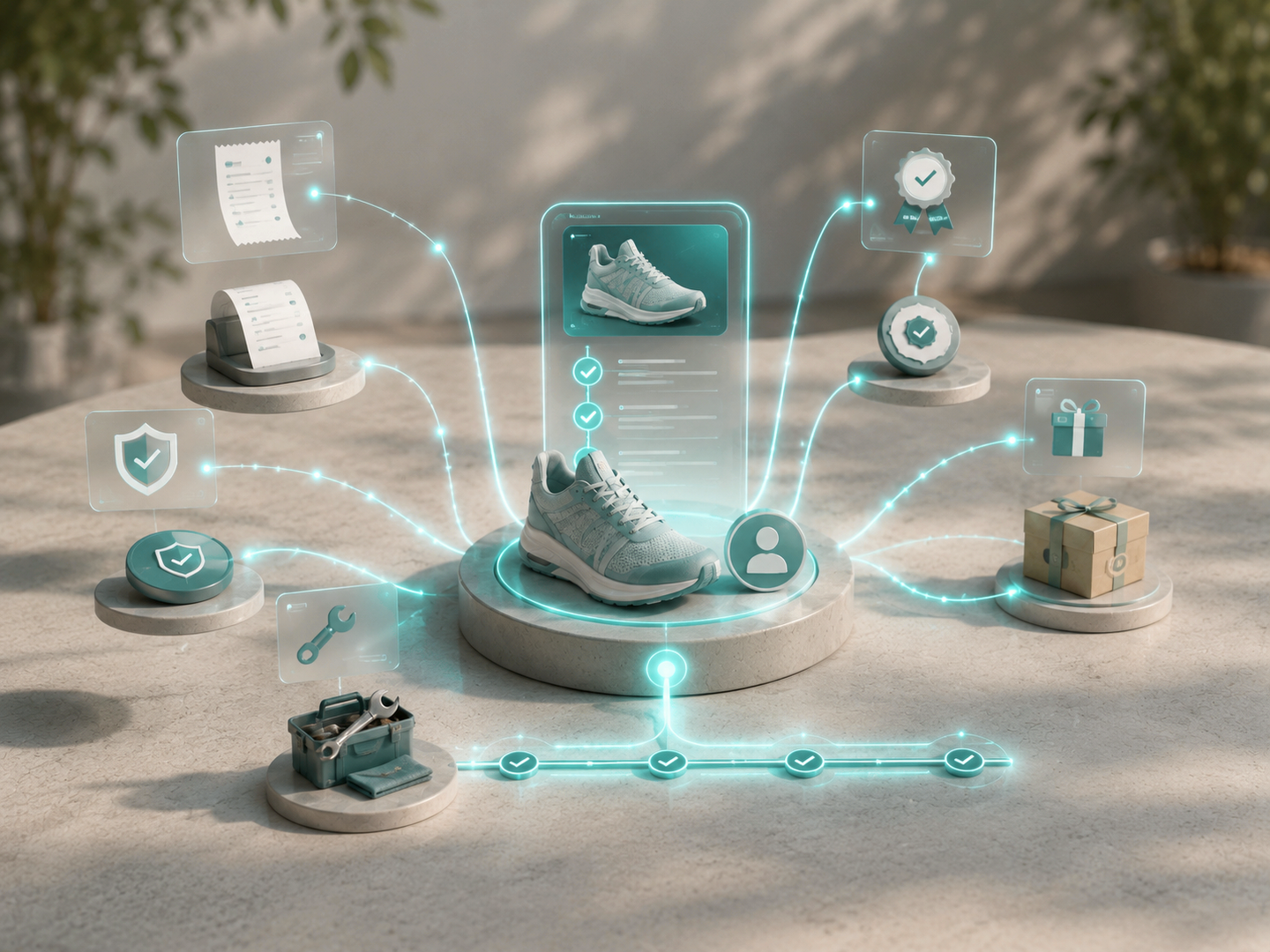
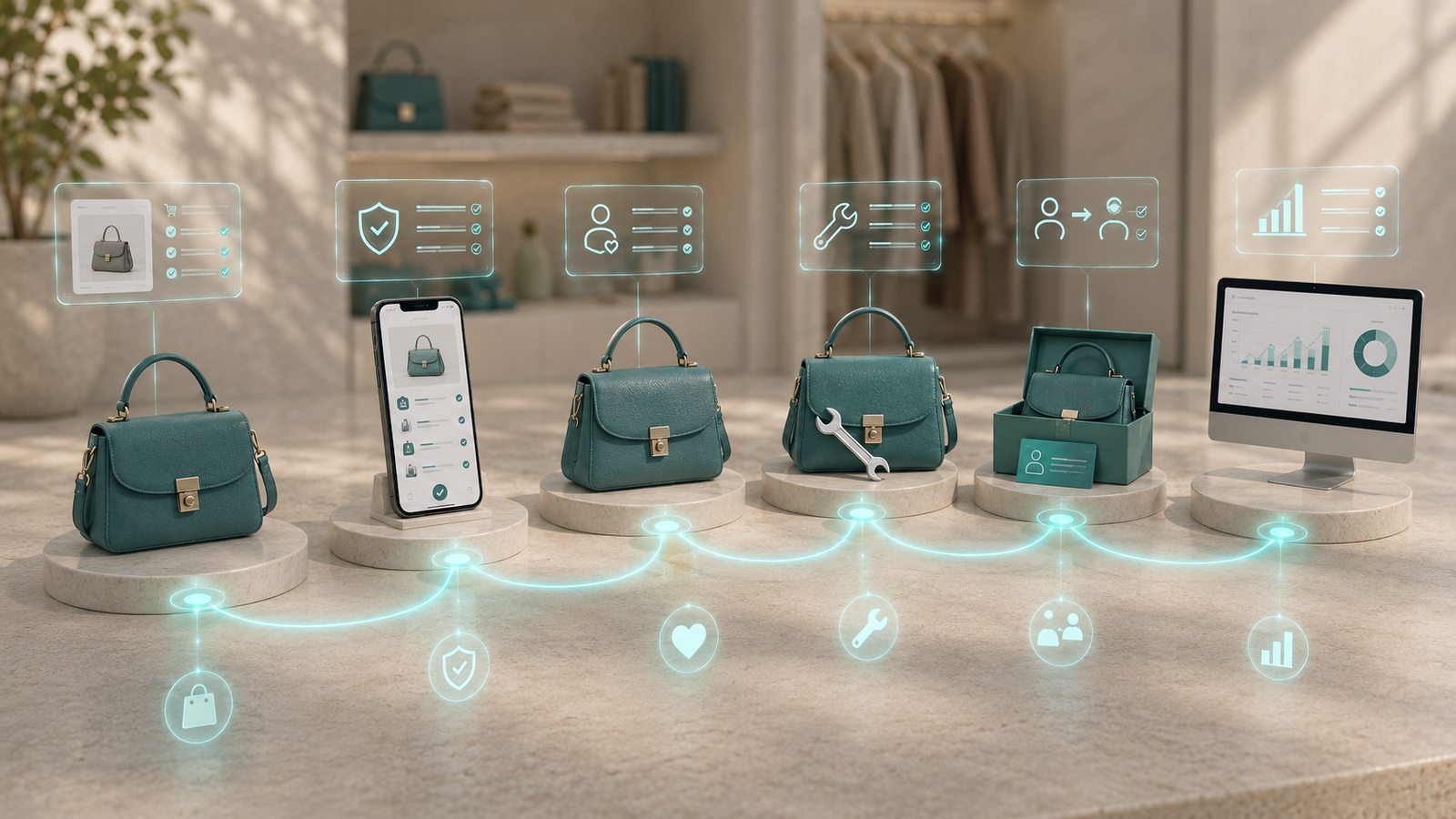
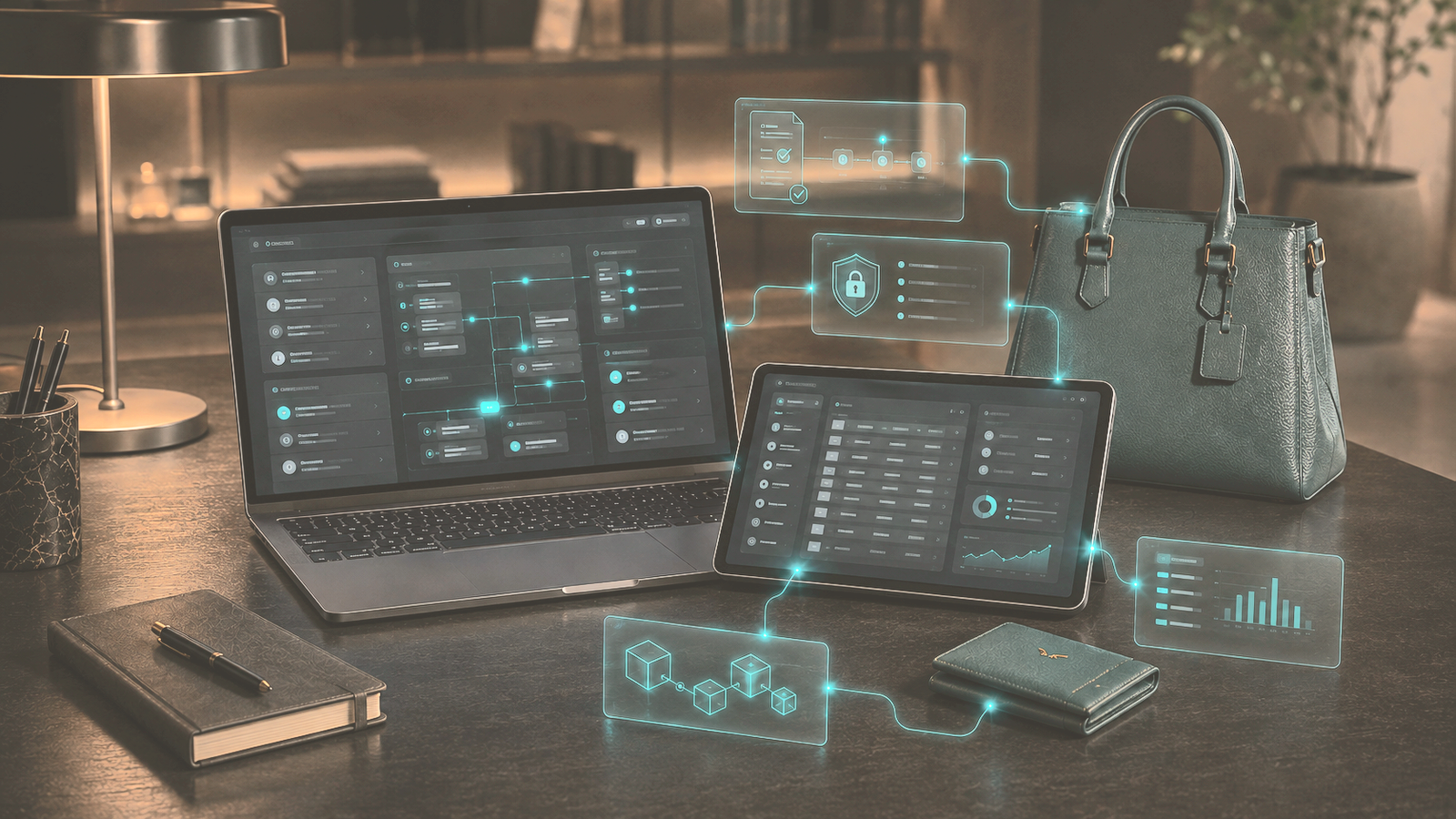
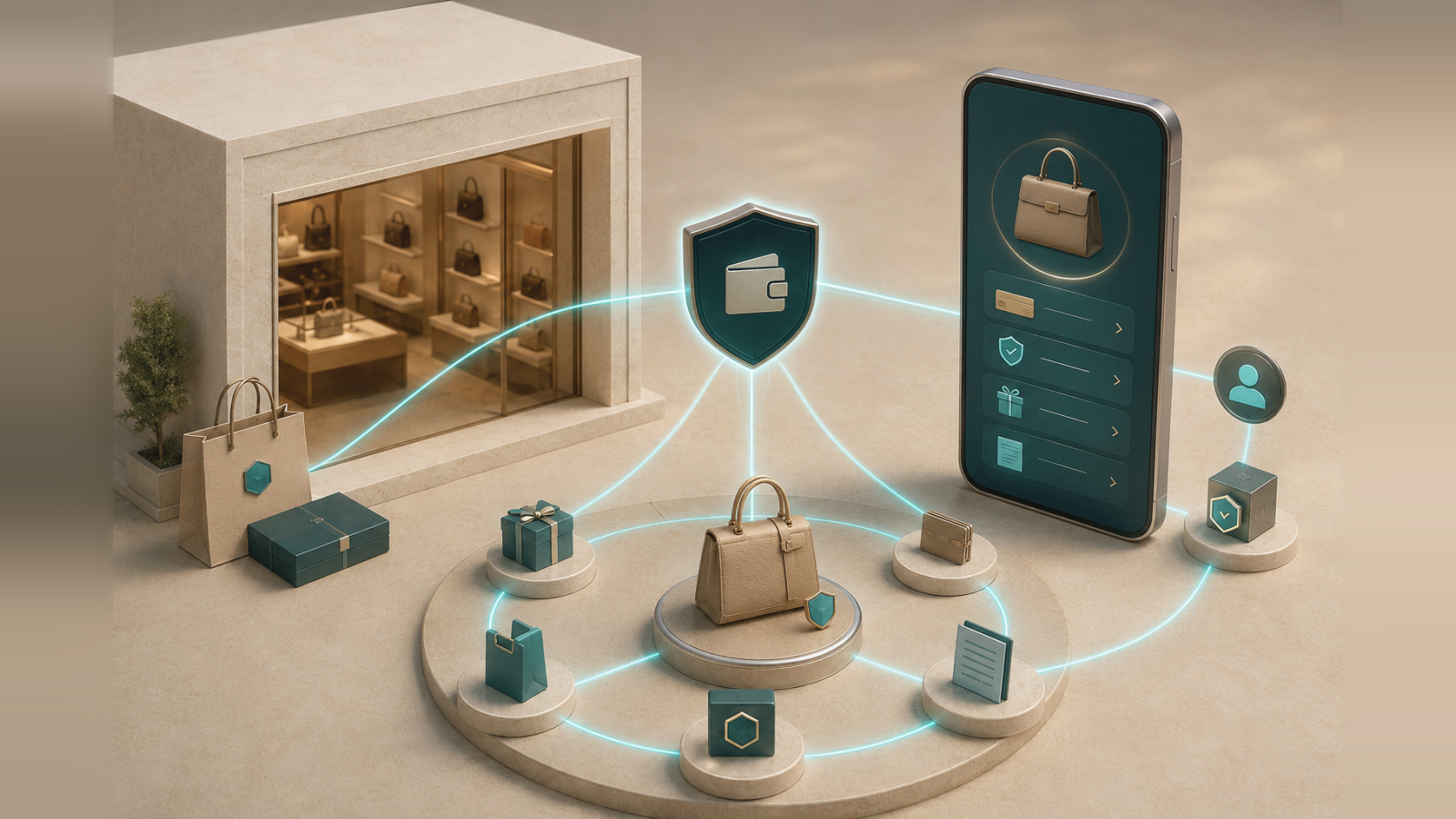
A visual overview of how product identity, ownership, service, and records continue along one timeline.
A Product Account Network that connects the identity, ownership, rights, and lifecycle of physical products with a verifiable digital economy built on BNB Chain.
A product does not end at the sale. Identity, ownership, service, transactions, and time continue to accumulate around it.
Long paragraphs are divided into key statements and diagrams, while only necessary technical terms are shown alongside their original terminology.
01Product AccountProduct identity & timeline
02Ownership & RightsDirect user control
03Web3Verification of rights · transactions · provenance
04Token EconomyAllocation · initial circulation · vesting
05RoadmapStep-by-step expansion of real use cases
1. Problem, Market & Vision
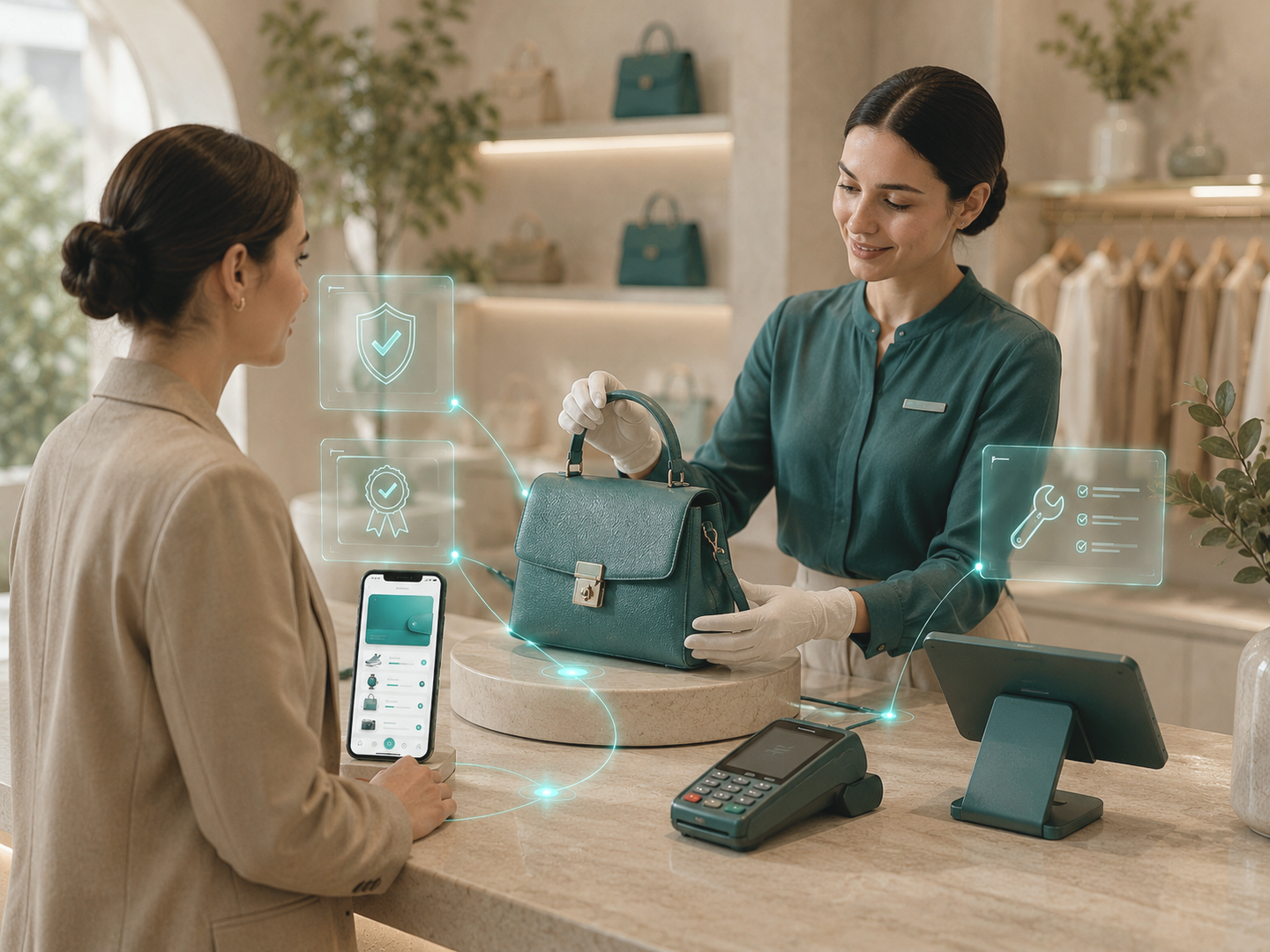
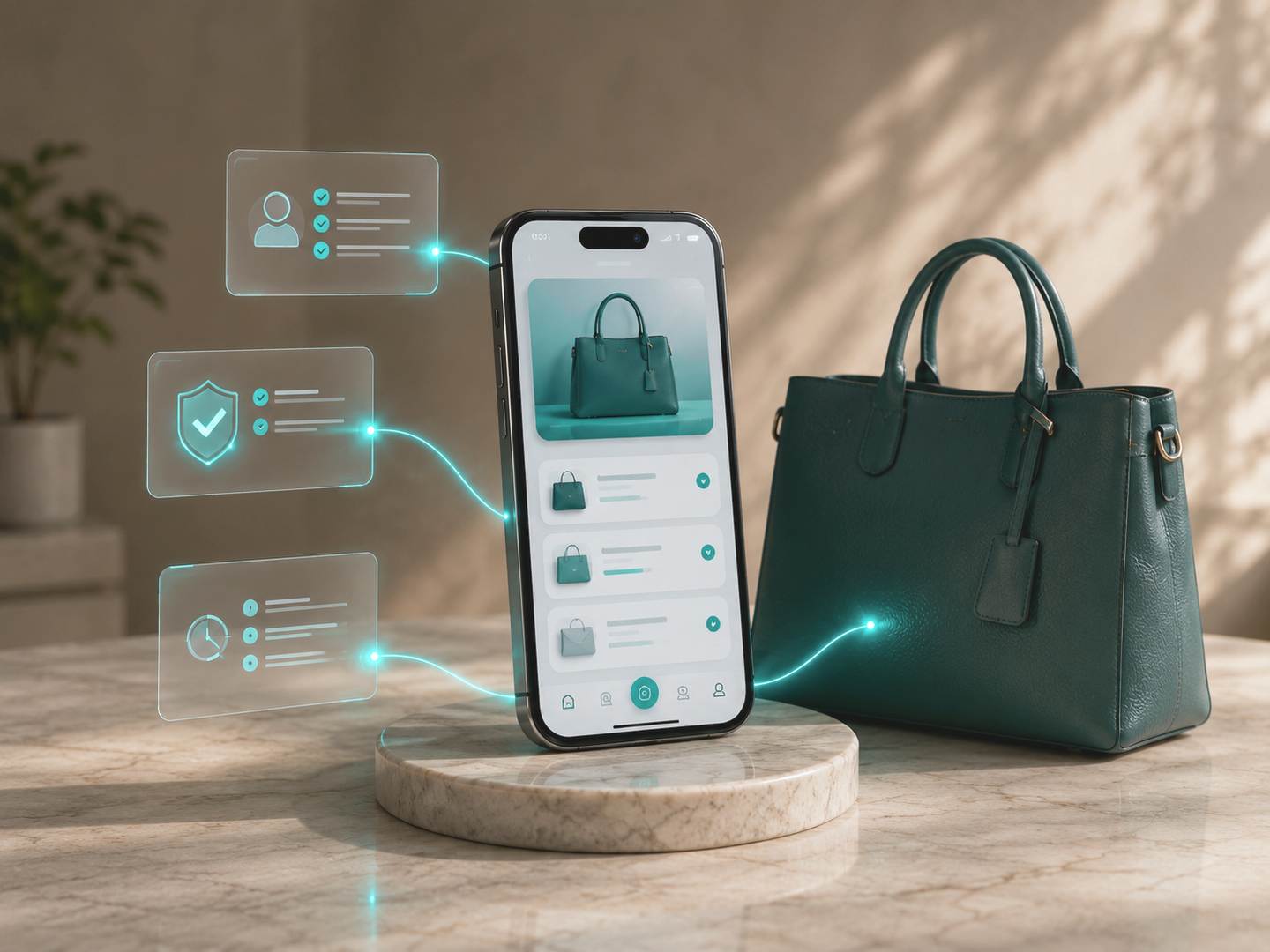
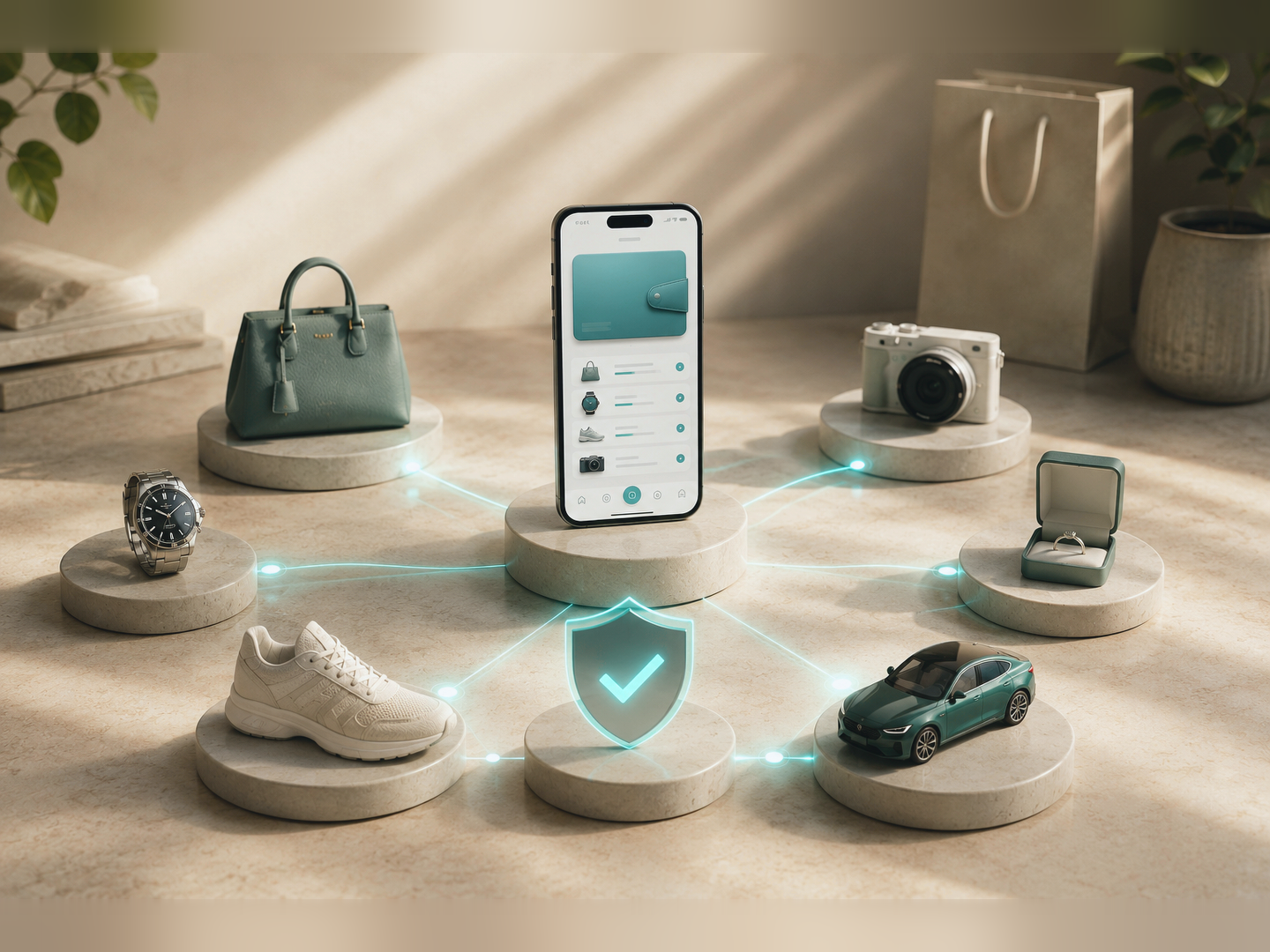
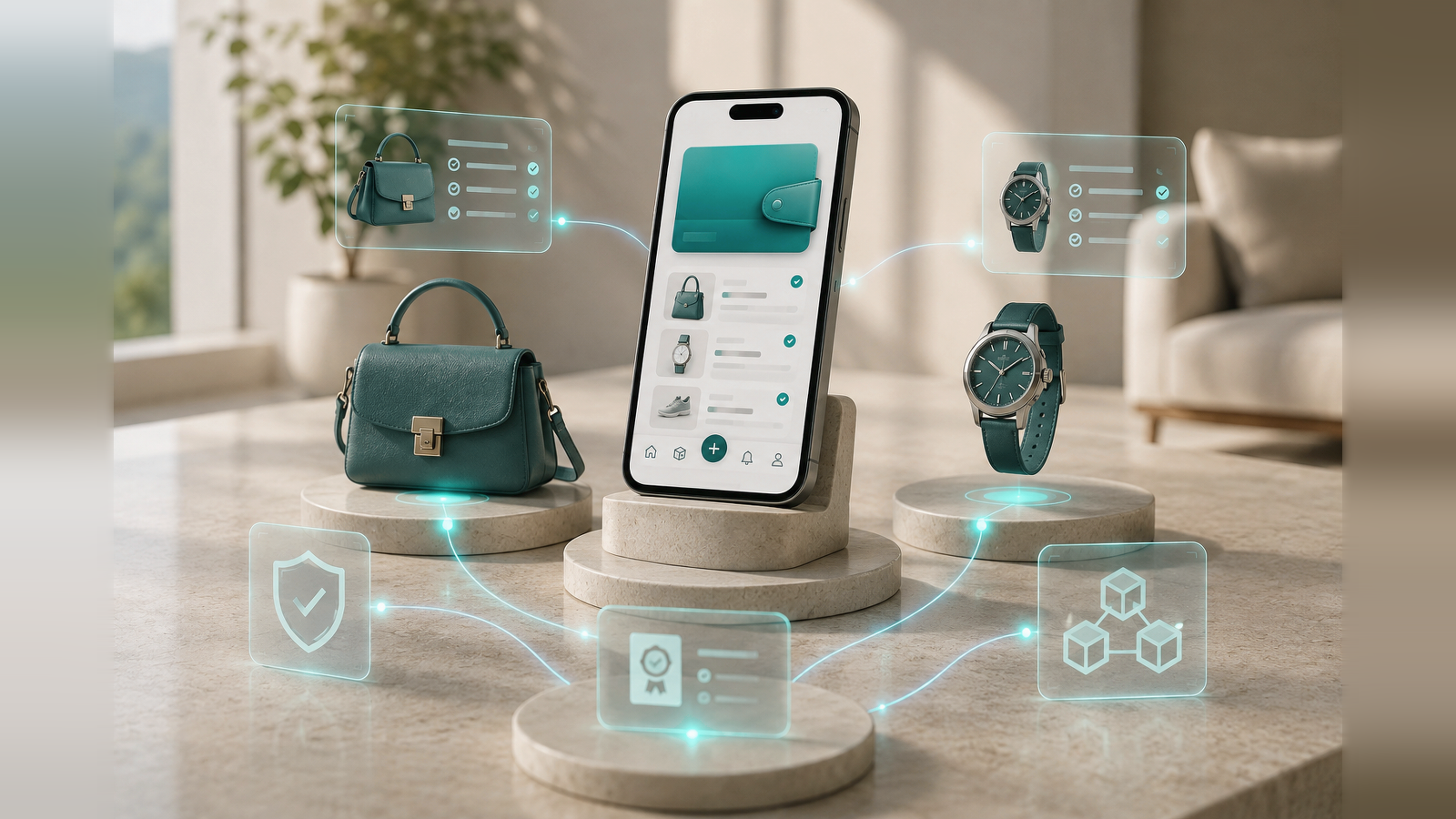
A visual explanation of the problem of product information being scattered across systems and the direction of bringing it together through one Product Account.
Products become digitally disconnected after the sale
Manufacturing, materials, and authenticity information stays with brands; proof of purchase with retailers; warranty and repair with customer service; ownership history with consumers; and resale records with separate marketplaces. As a product is repaired, gifted, or moves into the secondary market, it becomes difficult for both brands and consumers to see the product’s full context in one place.
Why now
The emergence of DPP infrastructure, growth of resale markets, persistent issues around counterfeit goods and transaction trust, and the growing importance of provenance in the AI era are all reasons Product Accounts matter now. The target is not a single DPP market or wallet market, but the intersection where product regulation, authenticity and resale trust, post-sale customer relationships, non-custodial digital rights, and data provenance meet at the product level.
Vision · Mission
We envision a world where every physical product can retain a persistent digital account after the sale, allowing its identity, rights, service, transactions, and records to continue with the owner. Our mission is to build infrastructure where brands and users can share trustworthy product-level information and users can directly control product rights and optional data permissions through a non-custodial wallet.
2. Product Account Network
If a Product ID is the identifier that says “what this product is,” a Product Account is the persistent digital account that describes “what has happened to this product so far and which rights are connected to it.” Even after the first sale, gifting, repair, resale, or another transfer, it keeps the timeline of the same product continuous.
| Stage | Representative event | Value | Blockchain connection |
|---|
| Issue | Create · register Product ID | Digital starting point | Issuer · identifier · evidence reference |
| Sale · Claim | First sale · owner claim | Connect purchase with product rights | User signature · ownership |
| Use | Content · warranty · events | Post-purchase relationship | Entitlement · pass · rights state |
| Services | Repair · inspection · warranty | Preserve product condition and value | Verified Life Events |
| Transfer | Gift · transfer · resale | Continuity of ownership and history | Transfer · transaction evidence |
| Data · Economy | Provenance · Data Package · Settlement | Additional use of accumulated history | Token · Greenfield · Optional finance |
Participants
Consumers and owners, brands and manufacturers, repair and service providers, resale partners, creators/KOLs/event operators, and Web3 users use the same Product Account in different roles. The model does not expose the same data to everyone; access is separated according to role and verification level.
3. Blockchain & Technical Architecture
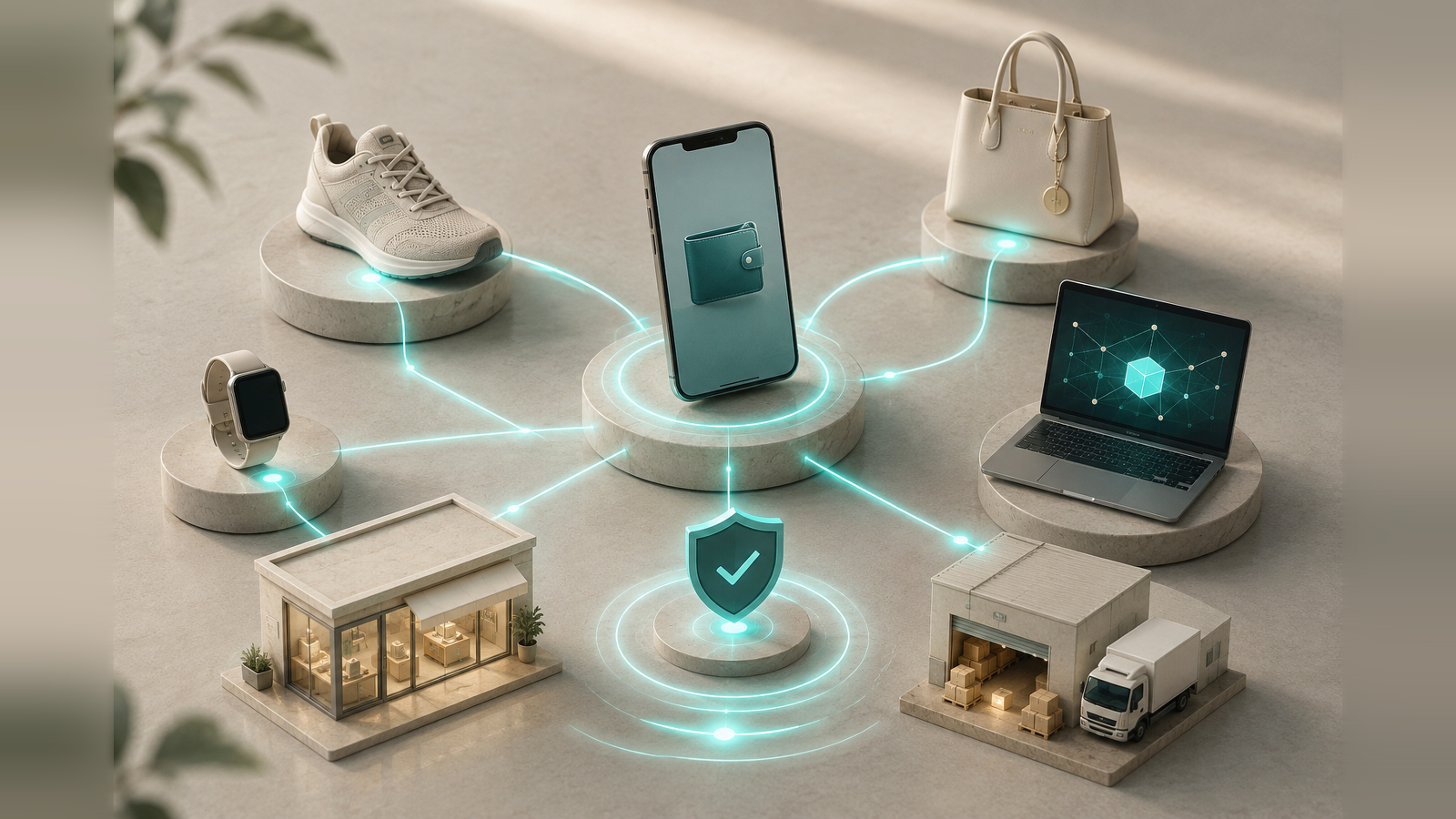
A structure in which the Web2 service layer and Web3 rights and provenance layer connect into one product experience.
Why blockchain
Not all product information needs to be stored on-chain. But for information such as product rights and transactions, where multiple participants need to verify the same state, a publicly verifiable execution layer has value. Claims and transfers, token payments and settlement, NFTs and event passes, and selected evidence references are suitable for on-chain execution, while detailed customer information, media, support records, and raw analytics belong off-chain.
BNB Smart Chain
Rather than creating a new Layer 1 or Layer 2, Teal Wallet uses BNB Smart Chain as its primary execution layer. BSC executes product rights, claims and transfers, payments and settlement, NFTs and passes, and selected evidence references, while the wallet handles user signatures and control.
Wallet & Product Rights
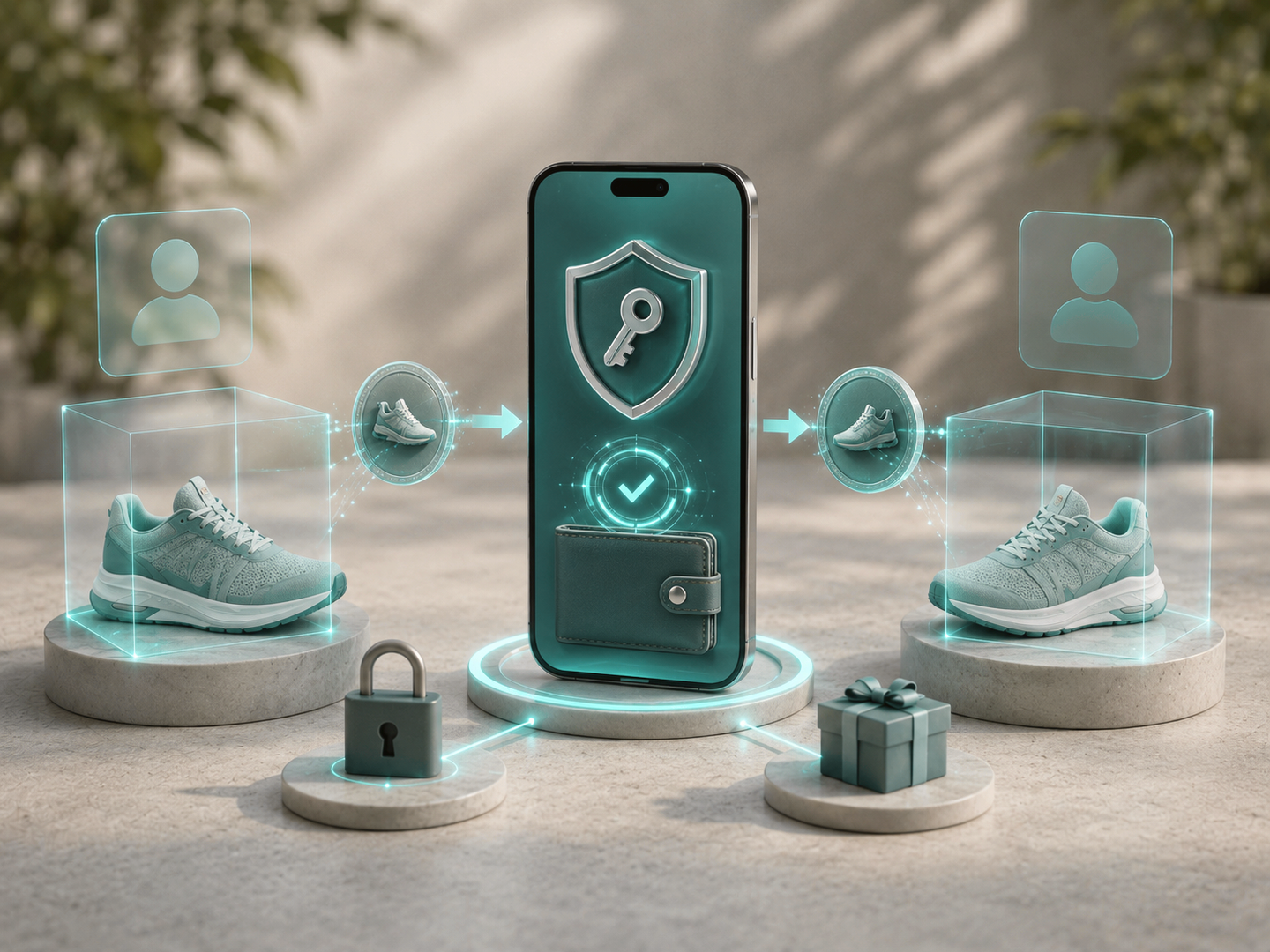
The wallet goes beyond token storage and acts as the signing layer through which users directly control ownership and transfer rights connected to Product Accounts and digital assets. A general wallet handles BSC assets, tokens, NFTs, and signatures, while the Product Rights Account handles rights states connected to claims, holding, transfers, and events.
Contract Management Wallet
Web3 users can manage metadata, recent activity, 24-hour transfer volume, holder changes, address flows, personal transfer history, address books, NFTs, vesting, official links, and private notes for saved contracts in one workspace. This is a B2C entry point that creates repeat usage independently of Product Accounts.
Evidence & Provenance
Blockchain does not create facts about the physical world by itself. Brand-issued information, user claims, repair confirmations, transaction records, on-chain events, and third-party certifications carry different levels of trust, and Product Accounts connect these forms of evidence along the same lifecycle.
BNB Greenfield
Greenfield is not intended to replace the service’s entire database. At the data-economy stage, it can connect access rights for user-selected derived Data Packages to a wallet and make them programmable alongside BSC economic states. Operational source data remains in separate off-chain systems suited to its purpose.
4. Services & Ecosystem
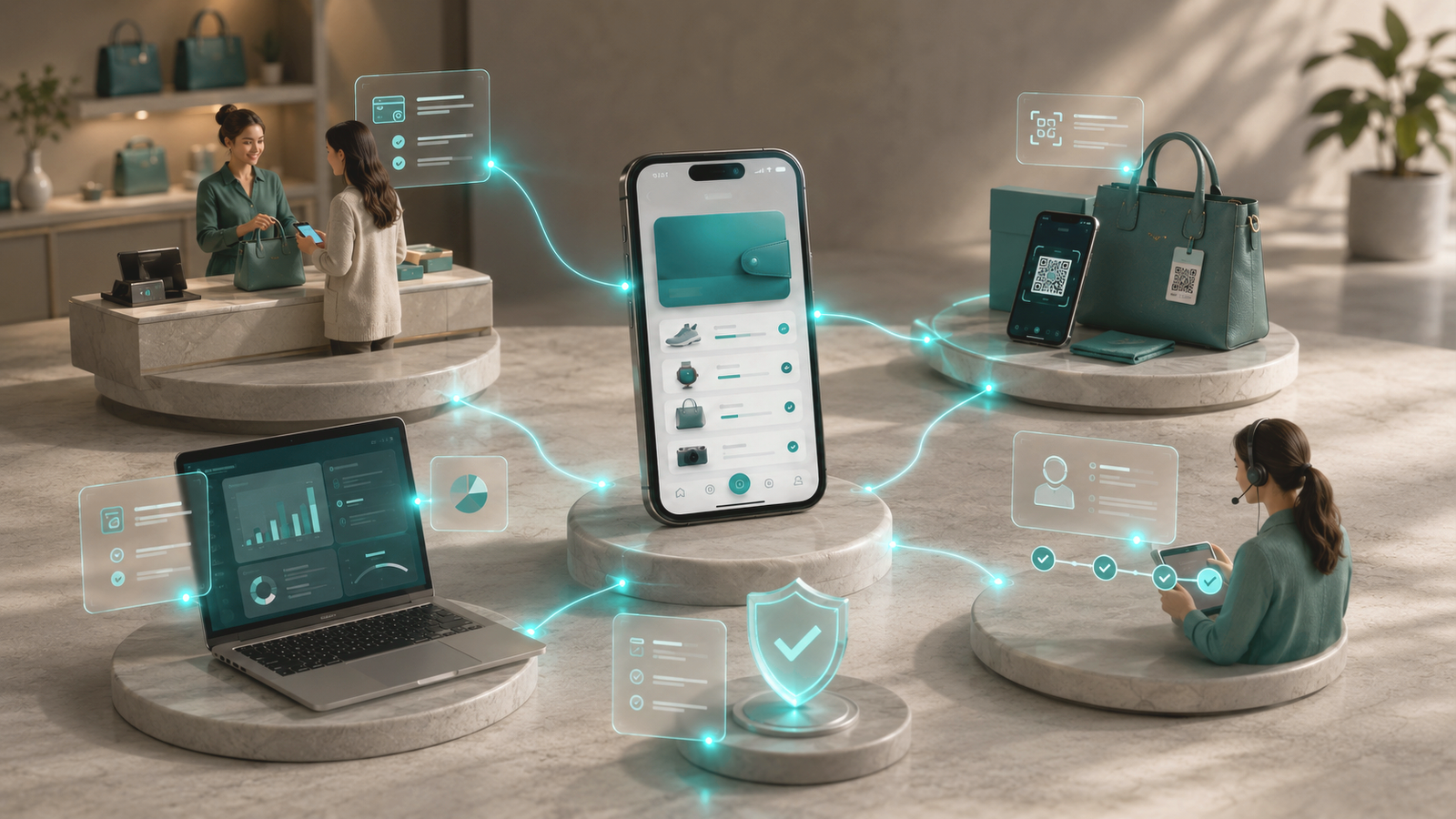
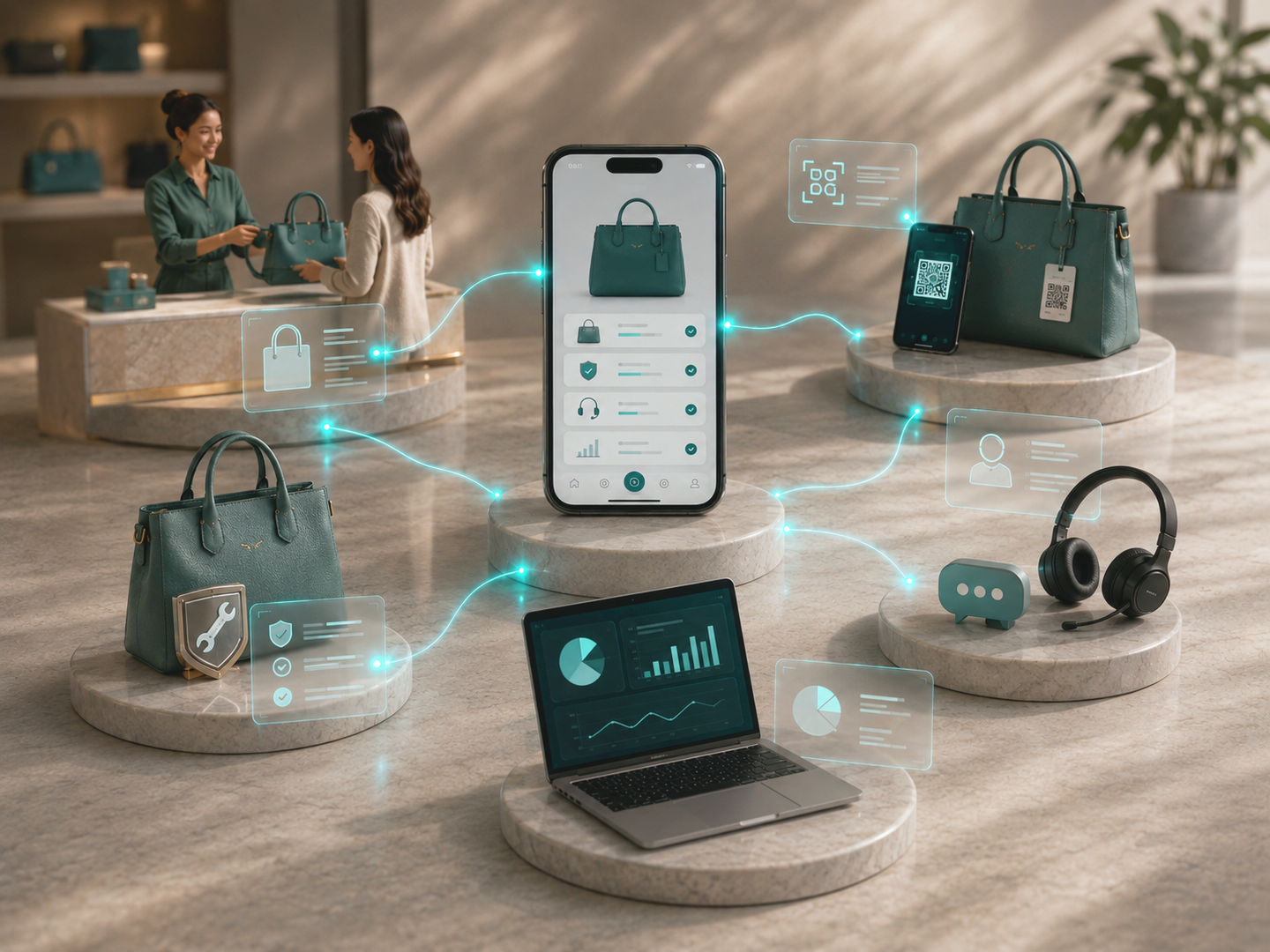
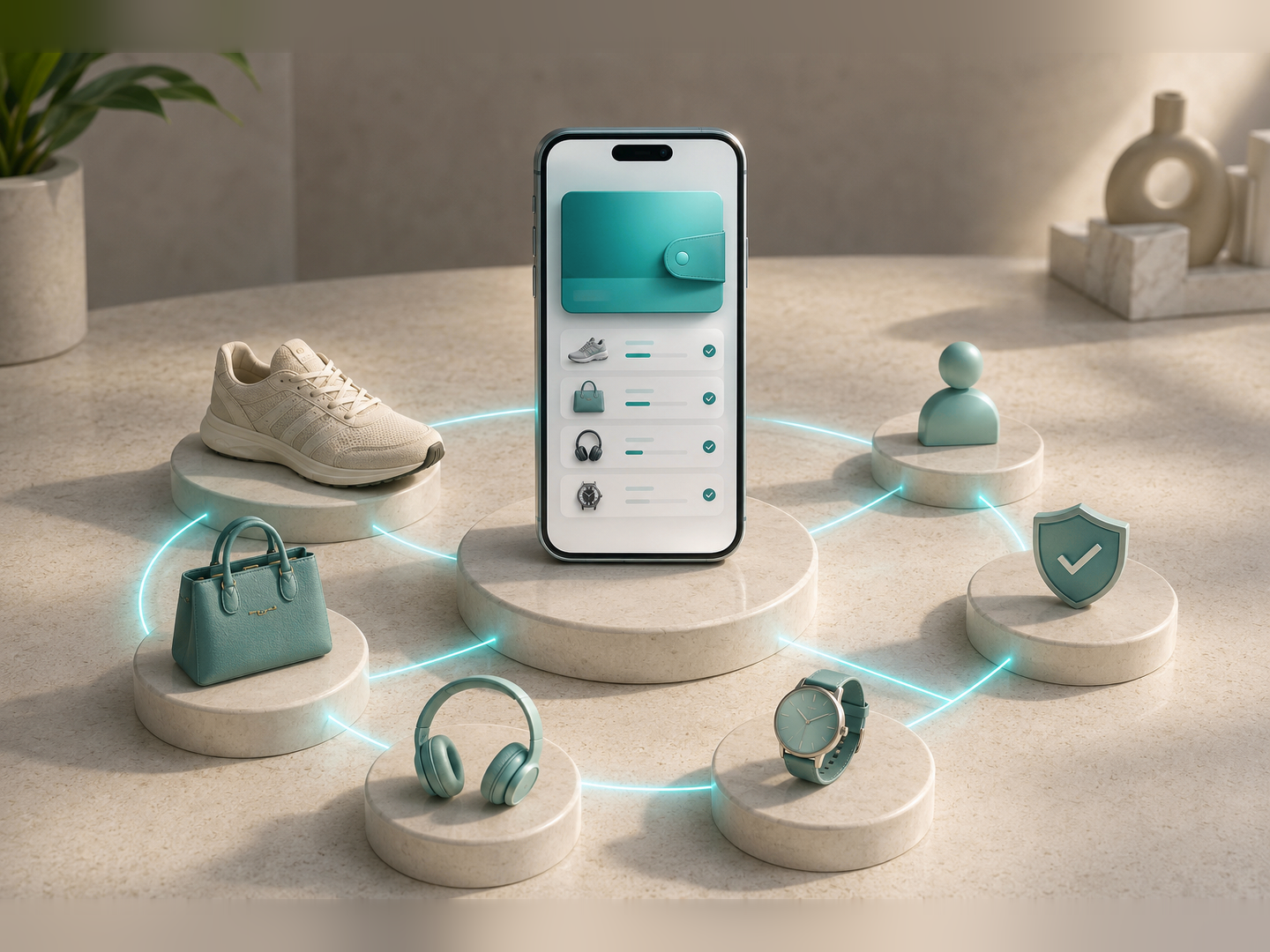
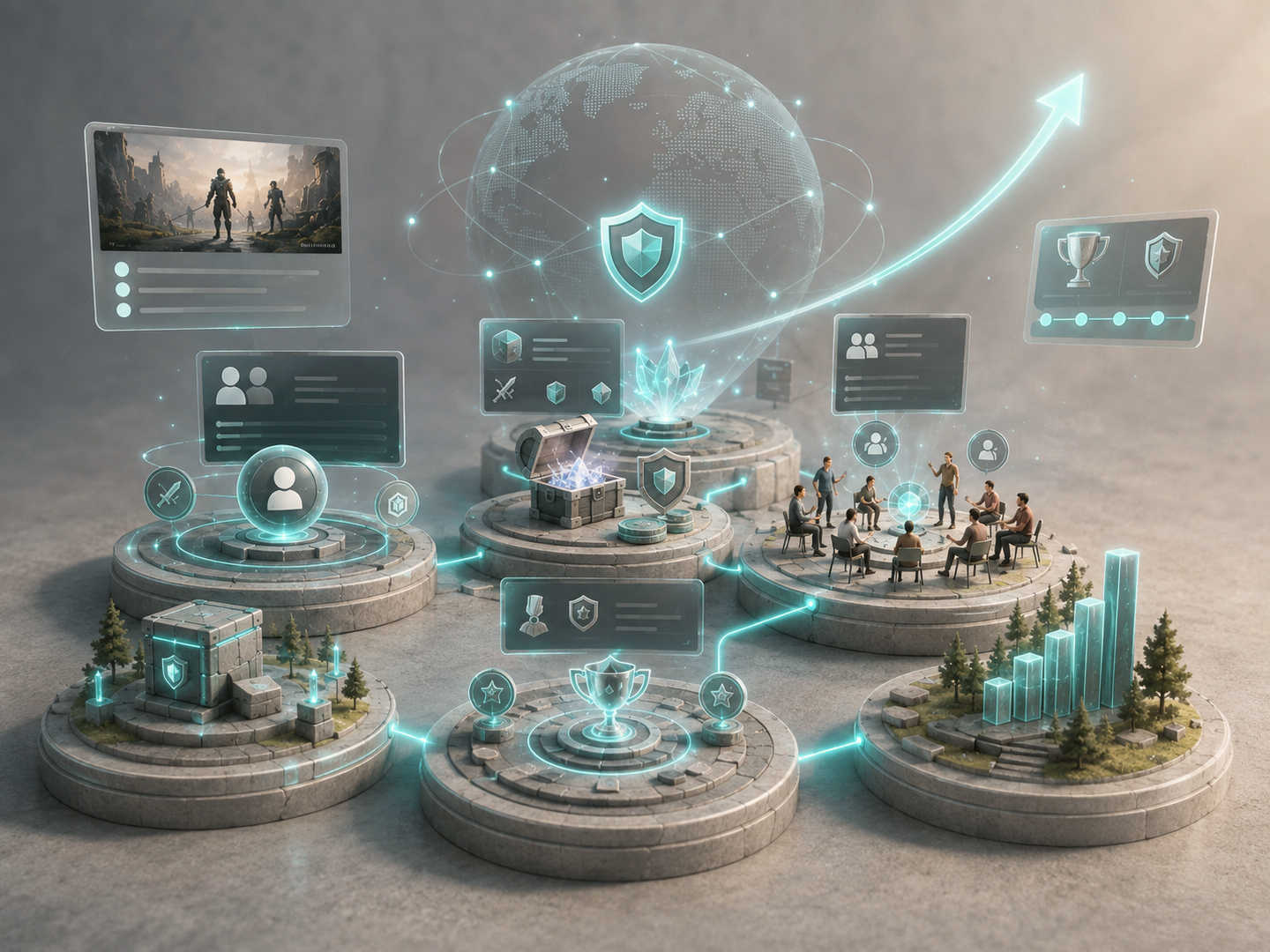
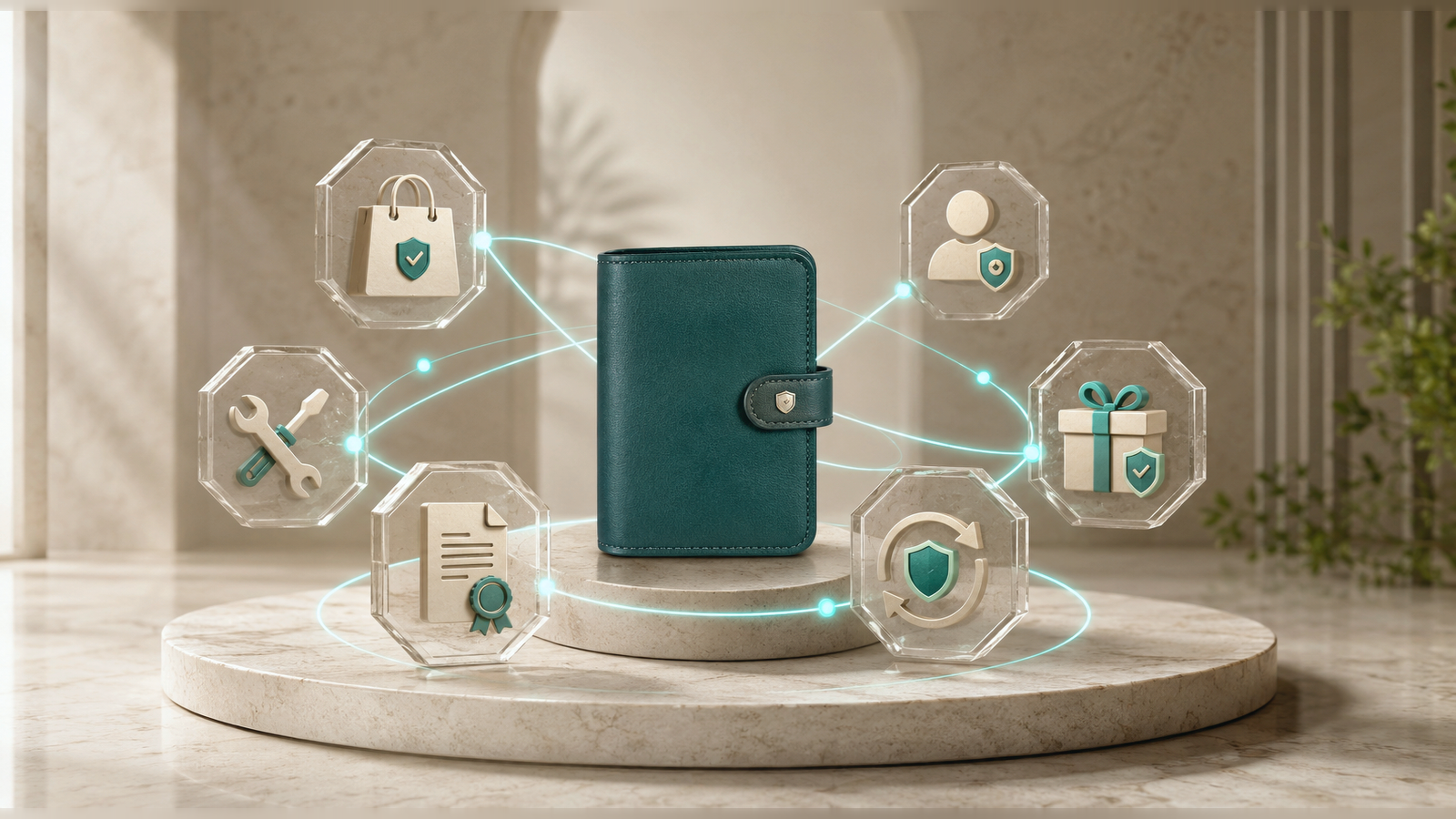
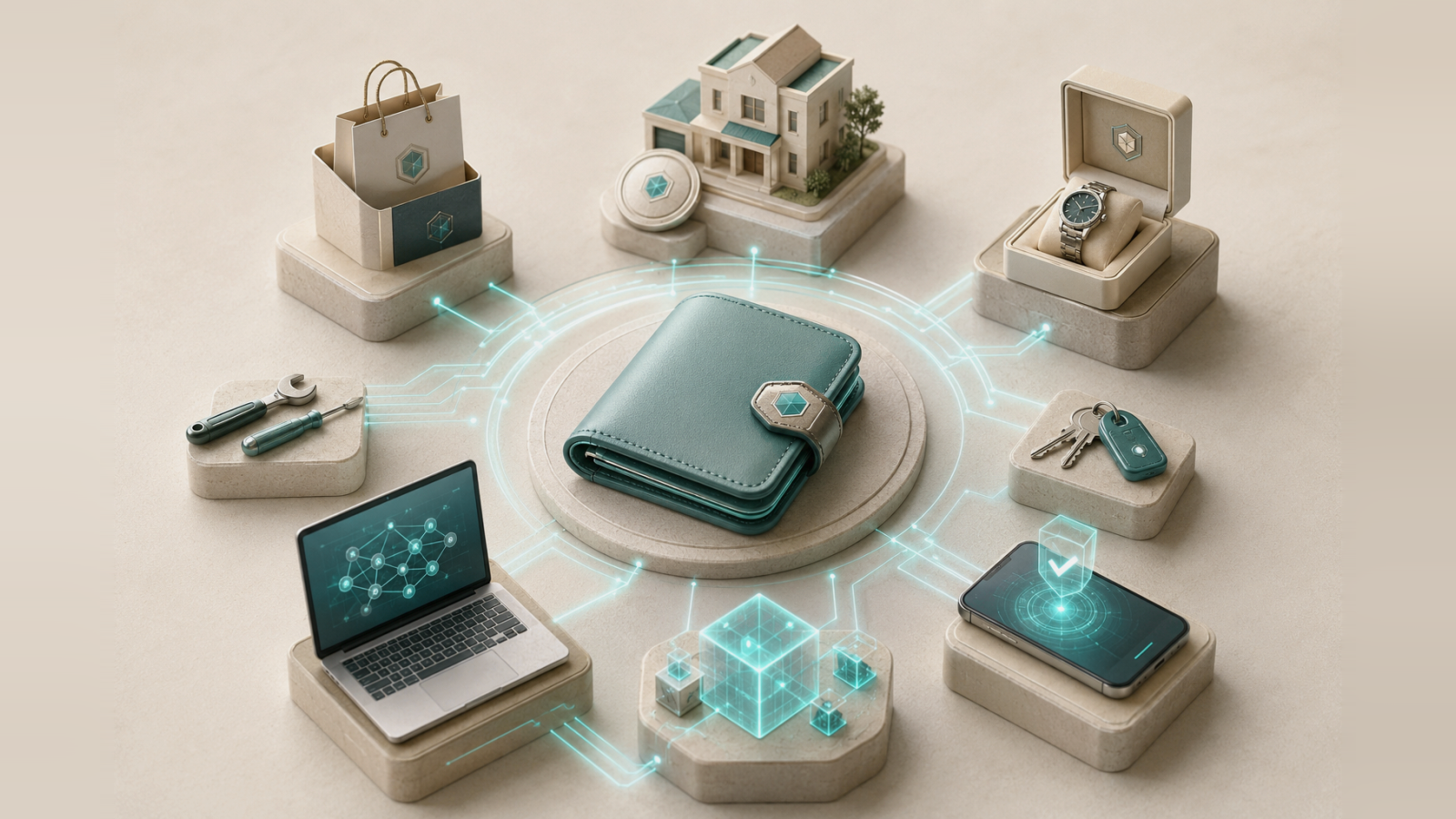
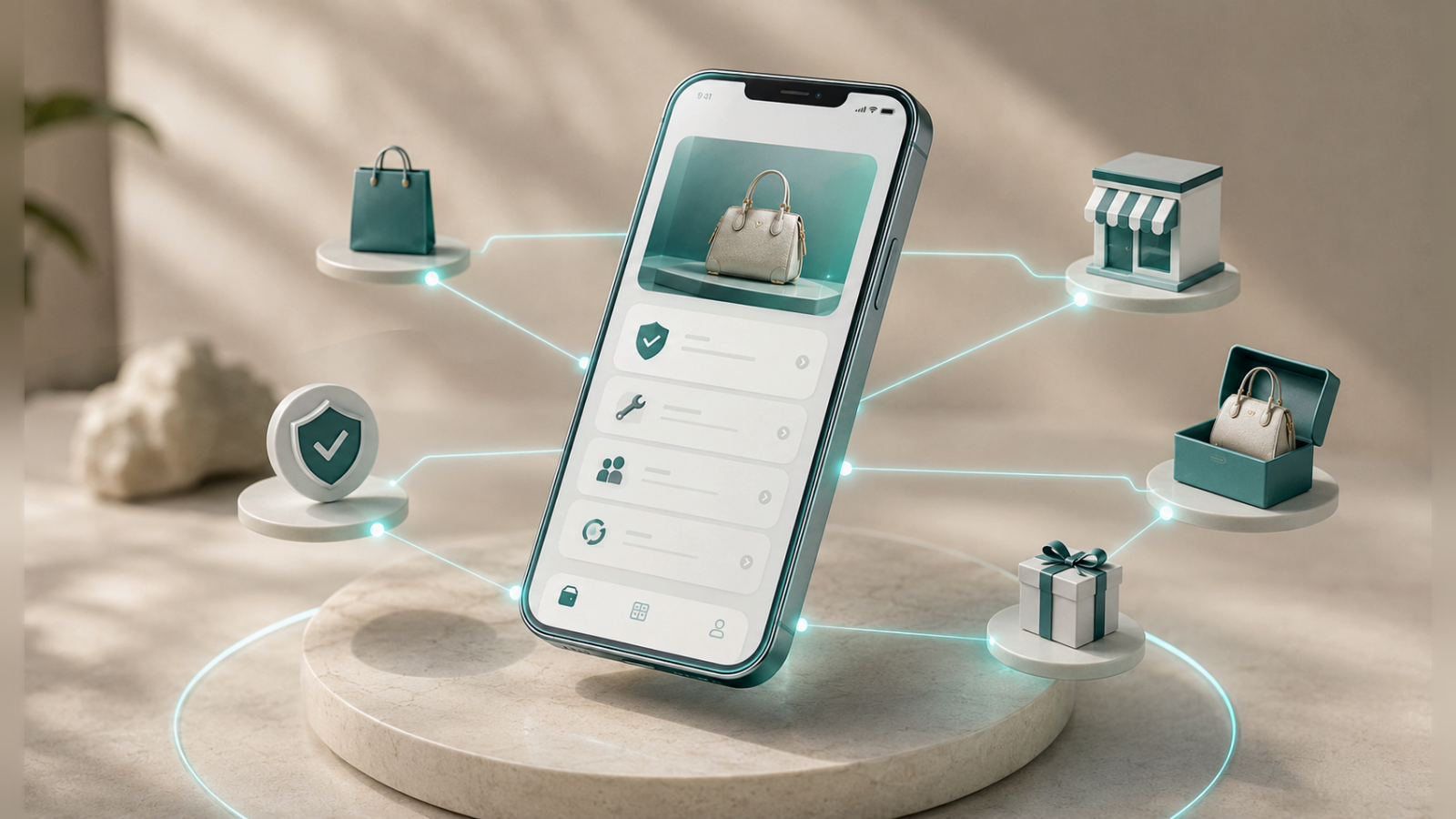
A visual overview of how core services and extensions connect around the Product Account.
Services expand according to the depth of the Product Account rather than by presenting every feature with equal weight. Product Accounts, the Contract Management Wallet, Ownership & Rights, and Life Events are central, while other capabilities connect gradually based on usability and partner operations.
| Area | Key functions | Core value |
|---|
| Product identity | Product ID, DPP/GS1, QR · Tag | Persistent digital identifier |
| Wallet & Rights | Non-custodial wallet, product rights, claim · transfer | User-controlled ownership & rights |
| Web3 Workspace | Contracts, activity, address book, NFTs, vesting | Repeat-use Web3 workspace |
| Life Events | Warranty, repair/service, timeline, evidence | Accumulating product condition and trust |
| Commerce | Official resale, creators, events, product content | Connect secondary and post-sale economy |
| AI · Data | AI Q&A, provenance, Data Packages, Greenfield | Understanding & optional data permissions |
| Economy | Membership, token payment, revenue share, rewards, later-stage DeFi | Connect service use with on-chain economic flows |
Full scope: early → mid → later stage
Early:Account/Consent/Policy, non-custodial wallet, Product Rights Account, Contract Workspace and analytics, NFT Portfolio, Product ID/DPP Mapping, QR/Secure Tag, Ownership/Claim/Transfer, Brand/Partner Console, AI Q&A, Activity Timeline, Admin/CMS/Policy, Export/Portability.
Mid:Membership/Premium, Token Payment/Entitlement, Product Follow/Community, Brand Content, KOL Provenance, Official Resale, Creator Small-batch, Event NFT/Pass, Revenue Share, Provenance Manifest.
Later:Web3 Data Vault, Data Package Builder, BNB Greenfield Data, Community Reward/Airdrop, Counterfeit Report Stake, Product Intelligence, limited DeFi/Asset Finance pilots.
Across all stages:Localization and country policy, security, privacy, and audit.
5. Token Economy & Revenue Model
Show the overall allocation and initial circulation structure first, then reflect detailed vesting schedules in the same interface after supporting materials are finalized.
Role of the token
The project token is not a gas token for network consensus; it is a utility token designed to connect services and transactions within the Product Account ecosystem. BSC gas is paid in BNB. The token economy is designed around actual service use and ecosystem operations rather than ownership alone.
100%Total allocation
20%Initial circulation
80%Locked / subject to release
| Category | Allocation | Initial circulation | Cliff | Release begins | Current release basis |
|---|
| Foundation · Treasury | 25% | 0% | Detailed vesting schedule to be updated |
| R&D | 25% | 2% | Detailed vesting schedule to be updated |
| Marketing | 10% | 4% | Detailed vesting schedule to be updated |
| Team | 20% | 0% | Detailed vesting schedule to be updated |
| Ecosystem · Community · Partners | 10% | 4% | Detailed vesting schedule to be updated |
| Liquidity · Payment Operations | 5% | 5% | Detailed execution criteria to be updated |
| Public Launch · Early Users | 5% | 5% | Detailed distribution criteria to be updated |
| Total | 100% | 20% | Detailed schedule will be disclosed after supporting materials are finalized |
See operating purposes more clearlyEcosystemCommunityStrategic partnersLiquidityPayment operationsPublic launchEarly users
These detailed purposes remain within the existing top-level allocations. Final ratios by purpose will be disclosed when the official distribution plan is finalized.
See vesting and cliffs together
The visual structure is designed to compare all allocations on the same basis. Detailed cliffs and release schedules will be updated after supporting materials are finalized.
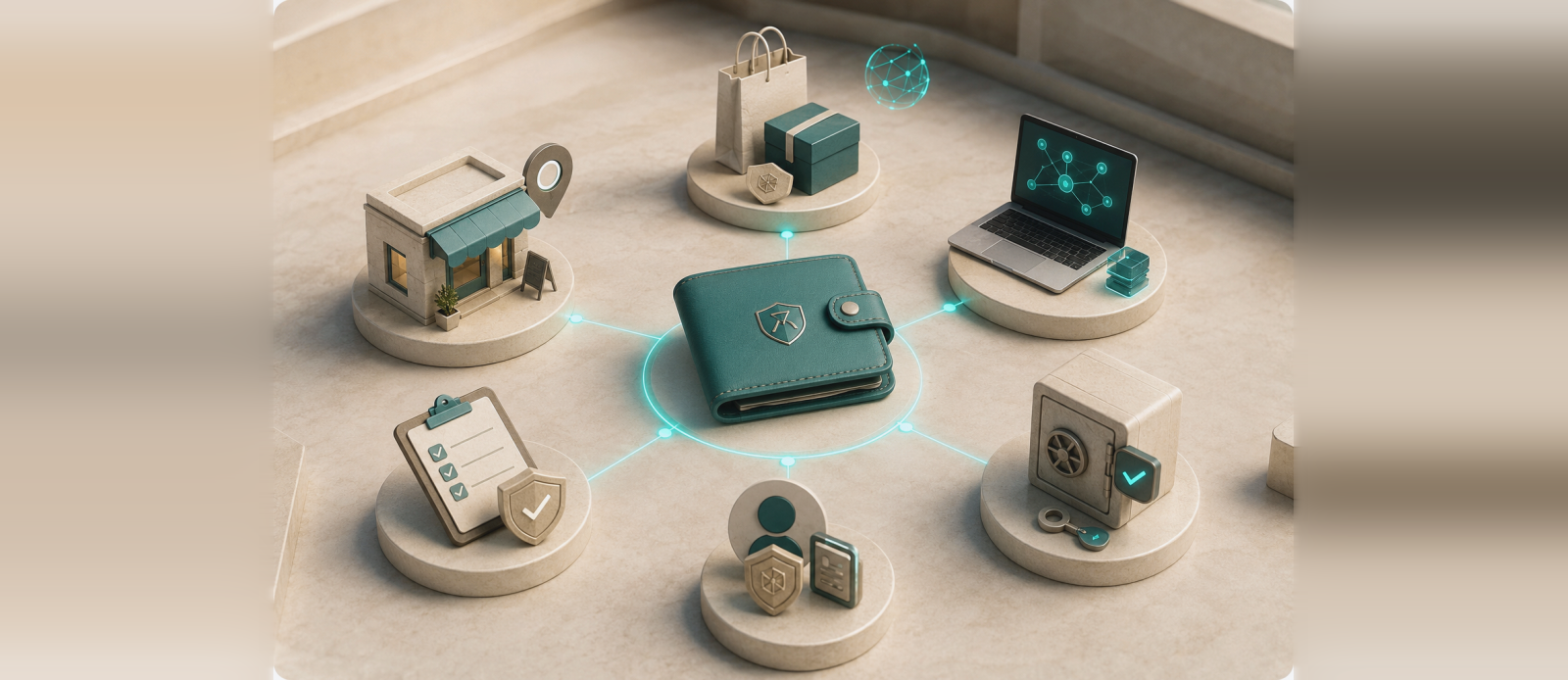
Vesting noteDetailed vesting language will be updated after supporting materials are added. For now, the allocation, initial circulation, and visual structure are provided first.
Platform Revenue Model
The business model does not depend on token price. It combines Product Account issuance and integrations for brands and partners, service utilities, selected commerce and event functions, and the data economy.
6. Go-to-Market, Competitive Strategy & Growth
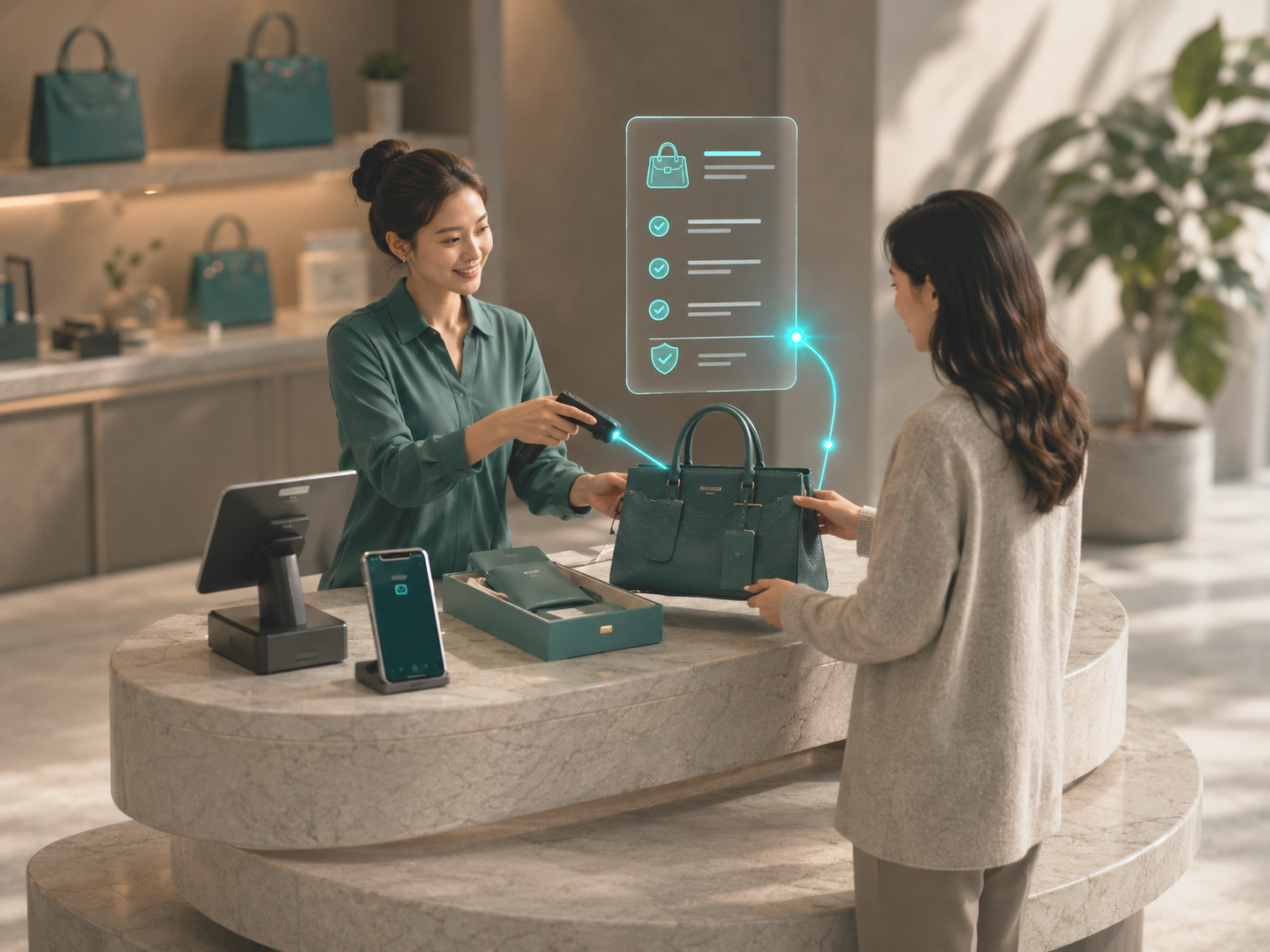
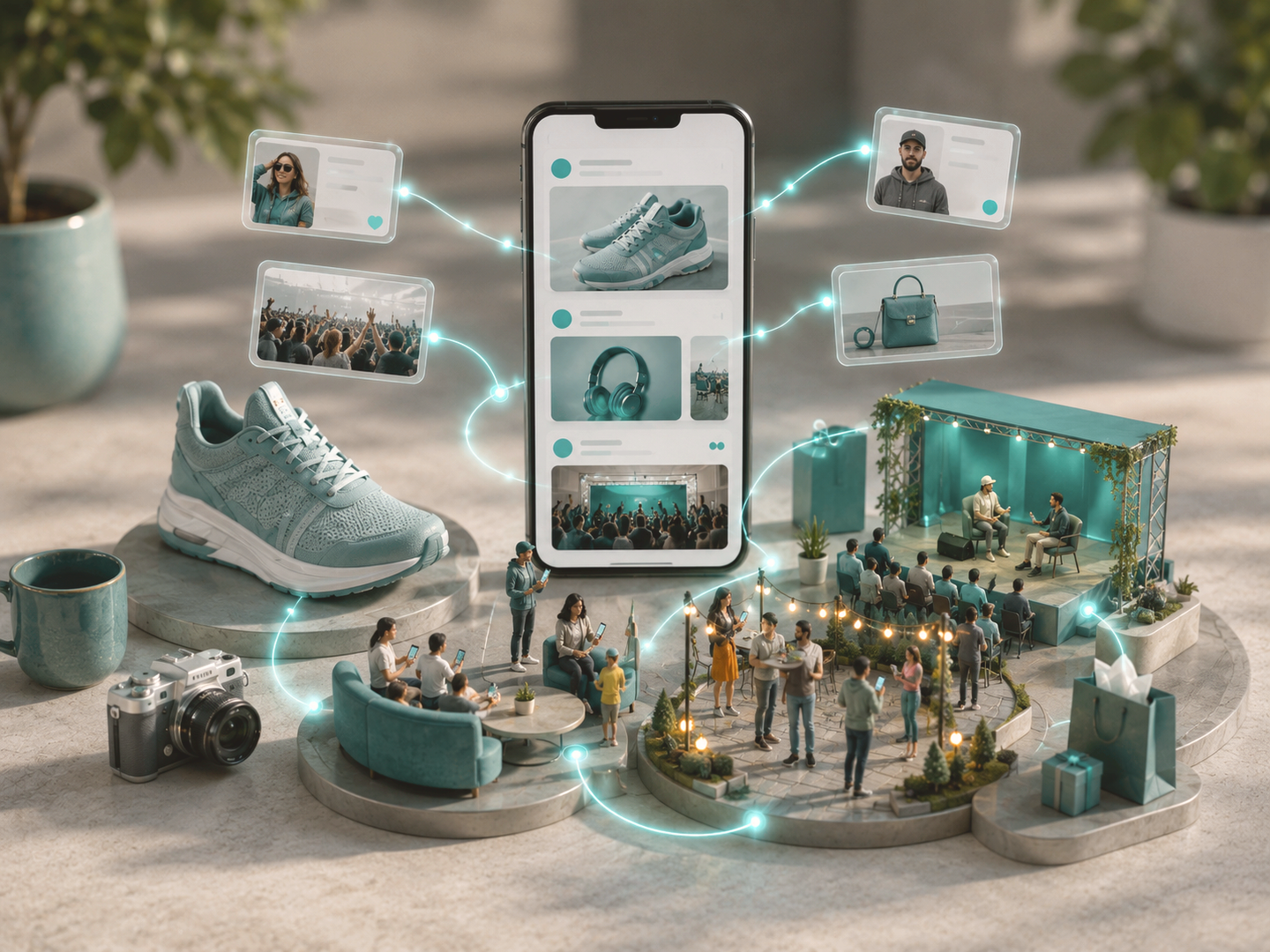
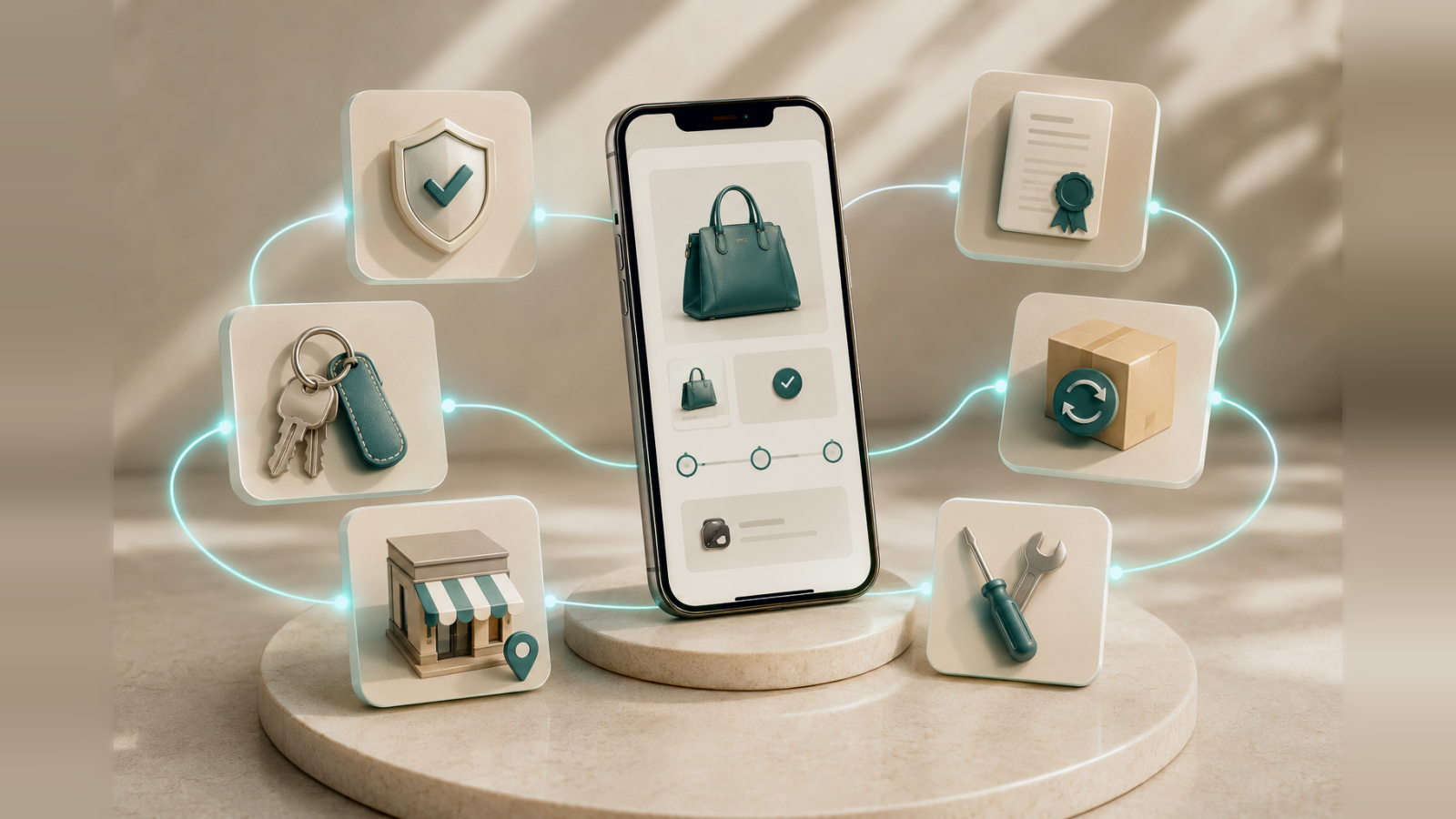
A visual overview of how Product IDs, ownership, and Life Events connect to markets and real use cases.
Initial go-to-market
The first focus is brands in apparel, fashion, accessories, and premium consumer goods connected to the EU market, where Product IDs, DPP readiness, authenticity, and resale are all important. The second focus is watches, jewelry, collectibles, and creator limited products, where provenance and ownership history directly affect value. The shared foundation is the Product ID–Ownership–Life Event–Commerce connection.
Competitive landscape & differentiation
Arianee, Aura, EON, Certilogo/eBay, general-purpose wallets, and conventional DPP/traceability providers already have strengths in their respective areas. Rather than claiming to be first at individual features, Teal Wallet focuses on connecting Product Accounts, the Contract Management Wallet, user-wallet-centered rights, and the BSC/Greenfield economy into one flow.
Growth structure
As Product IDs are issued, users claim ownership, and repair/service records and ownership transfers repeat, a product timeline accumulates that is difficult for other systems to recreate. With enough history and transactions, this can reduce information asymmetry and increase the value of brand analytics and counterfeit/risk research.
Success metrics
Success is not measured only by token price or raw sign-up counts. The key measures are real product issuance, user claims, repeat Product Account use, and the accumulation of Life Events and transaction records.
7. Roadmap: 2026 Q4–2028 Q1
A visual summary of how Product Accounts expand step by step into real use cases and services.
The roadmap expands from digital product identity into blockchain rights, Life Events, commerce, and the data economy. Progress to the next stage is based less on the number of features and more on how deeply Product Accounts are used in real products and transactions.
| Period | Core stage | Key deliverables | Core network maturity |
|---|
| 2026 Q4 | Foundation | Public architecture, Product Account model, BSC/Greenfield integration design, DPP/GS1 mapping | 10–20% |
| 2027 Q1 | Alpha | Non-custodial wallet, Product ID, QR claim, Brand Console, Contract Management Wallet, BSC test flows | 25–35% |
| 2027 Q2 | Partner Pilot | Real product issuance, ownership claim/transfer, Life Event timeline, partner operations | 40–50% |
| 2027 Q3 | Verified Life Events | Warranty/repair and service, secure tag pilot, evidence/credentials, partner API, Greenfield permission proof of concept | 55–65% |
| 2027 Q4 | Commerce Network | Partner resale, creator/KOL/events, token payment and settlement pilots, provenance analytics | 70–80% |
| 2028 Q1 | Product Graph · Economy Expansion | Verified Product Graph, brand analytics, counterfeit/risk research, Data Package expansion, global rollout readiness | 85–100%* |
* Numeric maturity levels do not mean the entire project is complete; they are internal indicators for describing the level of real validation and readiness for commercial expansion at each stage.
Roadmap noteThe roadmap does not mark the end of the project. It shows a direction for expanding real use cases and services, and timing and priorities may change depending on partnerships, regulation, security, user validation, and the technical environment.
8. Organization & Partner Ecosystem
A structure in which brands, service providers, and technology partners connect through their respective roles around one Product Account.
Because this project sits at the intersection of product data, blockchain, brand operations, resale, security, and regulation, long-term competitiveness cannot be built through internal development alone. A partner ecosystem connecting product identity and tags, brand systems, repair/service/resale, Web3 infrastructure, security audits, and legal/regulatory expertise is essential.
| Partner area | Role |
|---|
| Brand / Manufacturer | Issue real Product Accounts and operate Life Events |
| Tag · Identity | Connect QR · NFC · Secure Tag with physical products |
| DPP · Standards | GS1, DPP schema, compliance integration |
| Repair · Service | Create verifiable service events |
| Resale · Commerce | Listing, transactions, ownership transfer, and settlement |
| BNB Chain · Web3 Infrastructure | BSC, Greenfield, wallet, RPC, and indexer ecosystem |
| Security · Legal | Review smart contracts, wallets, privacy, tokens, and finance |
Official team members, advisors, investors, and named partners will be updated separately through confirmed public announcements. Unconfirmed relationships are not presented as established facts.
9. Risk Notice & Legal Considerations
Token, wallet, product-regulation, privacy, and other risks are separated and considered under a common safety framework.
Token · Market riskToken issuance, TGE, exchange listing, liquidity, price, or appreciation is not guaranteed. This whitepaper is not a solicitation to purchase tokens or seek investment returns.
DPP · Product regulationThe existence of a Product ID alone does not mean that a specific product complies with statutory DPP requirements. Laws and requirements may differ by product category.
Limits of authenticity · ownership evidenceBlockchain records do not automatically guarantee every fact about a physical product. Digital ownership and legal ownership under each jurisdiction may also be different concepts.
Wallet · Smart Contract · NetworkRisks include key loss, incorrect signatures, phishing, malicious contracts, smart contract vulnerabilities, and outages or policy changes affecting external infrastructure.
Privacy · AI · Data EconomyAccess to product information and personal ownership/activity information must be separated appropriately. AI responses may contain errors, and Data Packages and revenue sharing are economic activities separate from processing required for the core service.
Roadmap · Forward-looking statementsTiming and priorities may change depending on partnerships, regulation, security, user validation, and the technical environment, and growth in DPP/Web3 markets does not automatically guarantee project performance.
10. Conclusion
A visual expression of the long-term direction in which verifiable product records accumulate into a broader product data network.
Teal Wallet is not limited to registering physical products on a blockchain. The goal is to create Product Accounts that persist after sale, allowing identity, ownership, service, transactions, content, data rights, and economic activity to continue together.
A Product ID is the entry point, and a Product Account is the product’s persistent digital subject. Verified Life Events become data assets, while the Verified Product Graph becomes a long-term network advantage. Token, data-economy, and financial functions can expand on this foundation.
Key Terms
| Glossary | Definition |
|---|
| Product Account | A persistent digital account for a product that connects product information, ownership, Life Events, commerce, content, and rights. |
| Product ID | A unique identifier used to identify a product and access its Product Account. |
| Claim | The process through which a buyer or rights holder activates the owner functions of a Product Account. |
| Ownership Transfer | The process of connecting the rights state of a Product Account to the next owner. |
| Verified Life Events | A product lifecycle event—such as issuance, purchase, repair, transfer, or resale—that is verified together with supporting evidence. |
| Verified Product Graph | A relationship data network formed as products, brands, owners, repairers, resellers, creators, and events accumulate around verifiable records. |
| Contract Management Wallet | A Web3 workspace for managing information, activity, address books, NFTs, and vesting for contracts of interest. |
| Provenance | A lineage that explains where information, content, or data originated and what processing and changes it went through. |
Whitepaper References
[1–2] European Commission — Digital Product Passport Registry / DPP
[3] ThredUp — 2026 Resale Report
[4] OECD / EUIPO — Mapping Global Trade in Fakes 2025
[5] W3C — Verifiable Credentials Data Model v2.0
[6–8] Public materials from Arianee · Aura Blockchain Consortium · EON
[9–10,12] BNB Chain official documentation — BSC / Greenfield
[11] C2PA — Content Credentials Technical Specification 2.4
[13] GS1 — GS1 Digital Link Standard
[14] Grand View Research — Digital Product Passport Market Report